Important considerations for designing a classroom
A carefully designed classroom gives you an opportunity to make an impact on the personal and academic needs of students by meeting modern learning goals and bringing greater joy and engagement to the lessons.
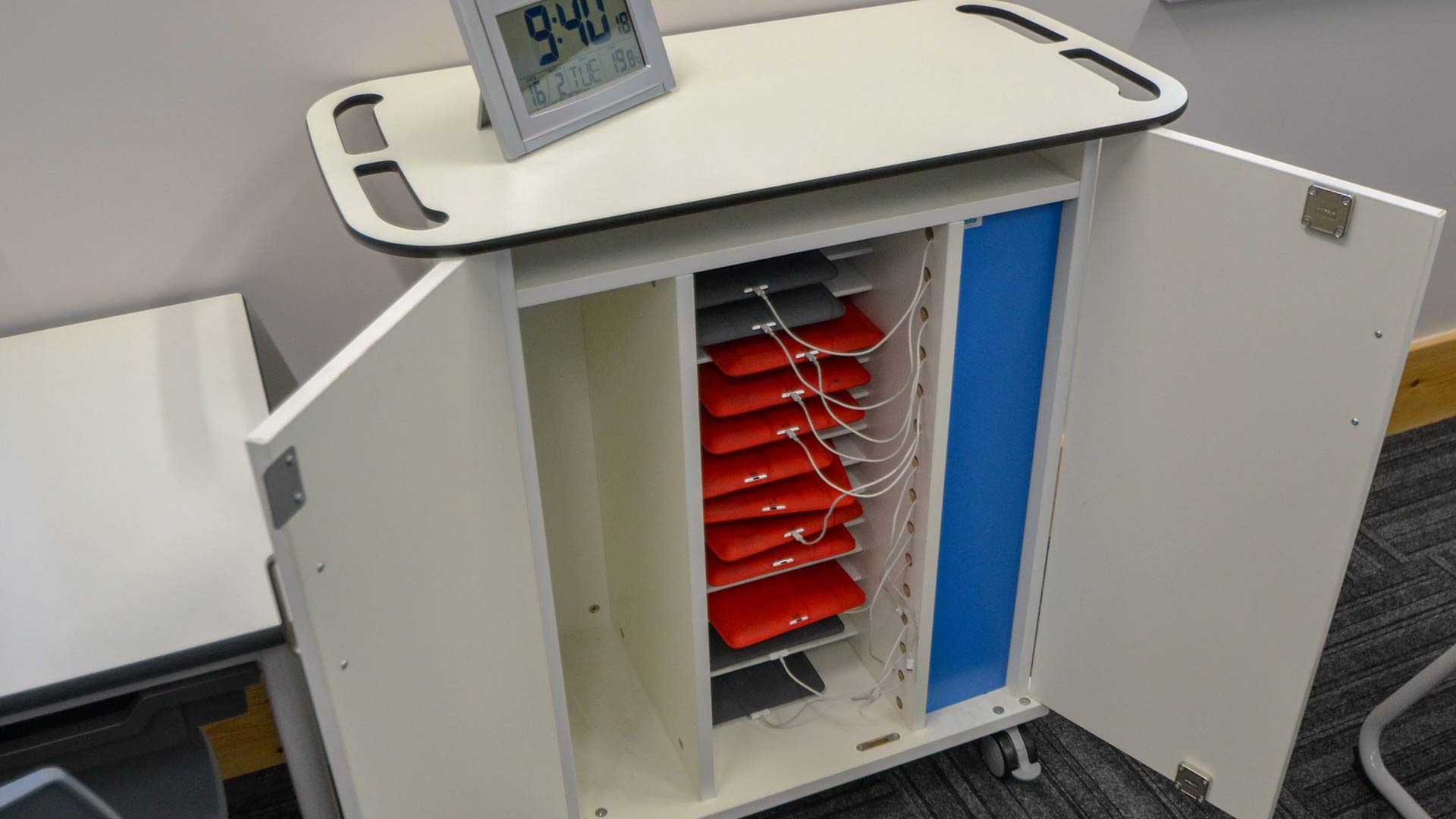
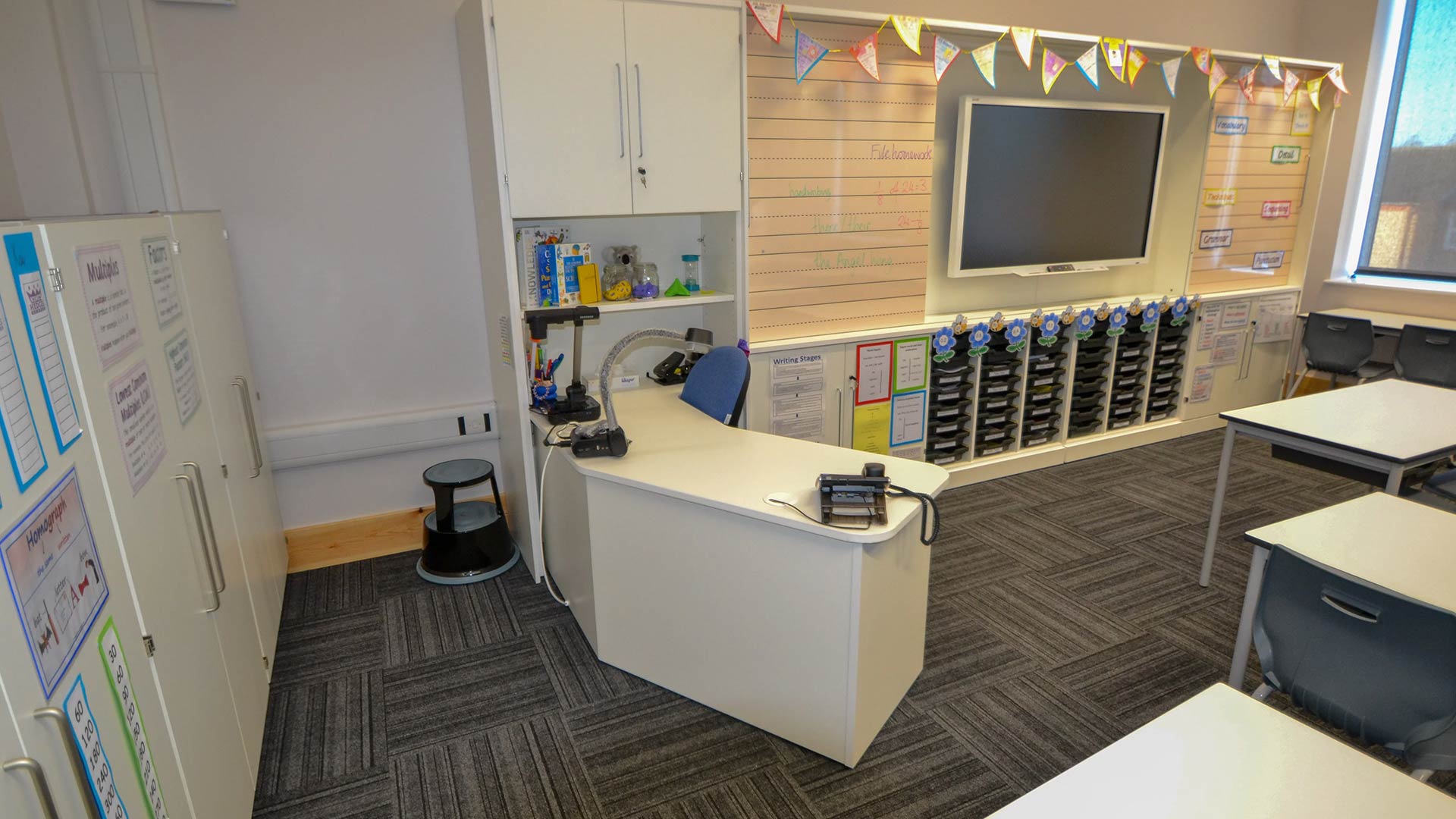
Effective storage is essential for any modern classroom, creating a tidy, organised environment that helps both teachers and students stay focused.
By ensuring that resources, teaching materials, and personal belongings all have a dedicated place, classrooms become safer, more efficient, and far easier to manage.
Storage Walls are particularly valuable in this setting, offering a seamless, space-saving solution that maximises every inch of the room. Their built-in, floor-to-ceiling design keeps clutter out of sight, reduces distractions, and supports a calmer, more productive learning space.
Stimulation
How exciting and vibrant is your classroom?
Colour influences both our emotions and physiology, causing mood swings that can have an impact on performance. Carefully consider what impact your classroom’s colour scheme might have on a child’s learning.
Busy and cluttered walls tend to create a chaotic environment that is not conducive to concentration and learning. Our advice is to keep walls clear and to have a few neat and cheerful displays on felt noticeboards instead.
The design of your classroom should support the vision of the school and adapt to fast-changing technology. Will it still be fit for purpose in 1, 3 & 10 years’ time?
Organisation
Organisation in classrooms is a key factor to consider. Furniture should be in good condition to help students remain comfortable and centred on their studies.
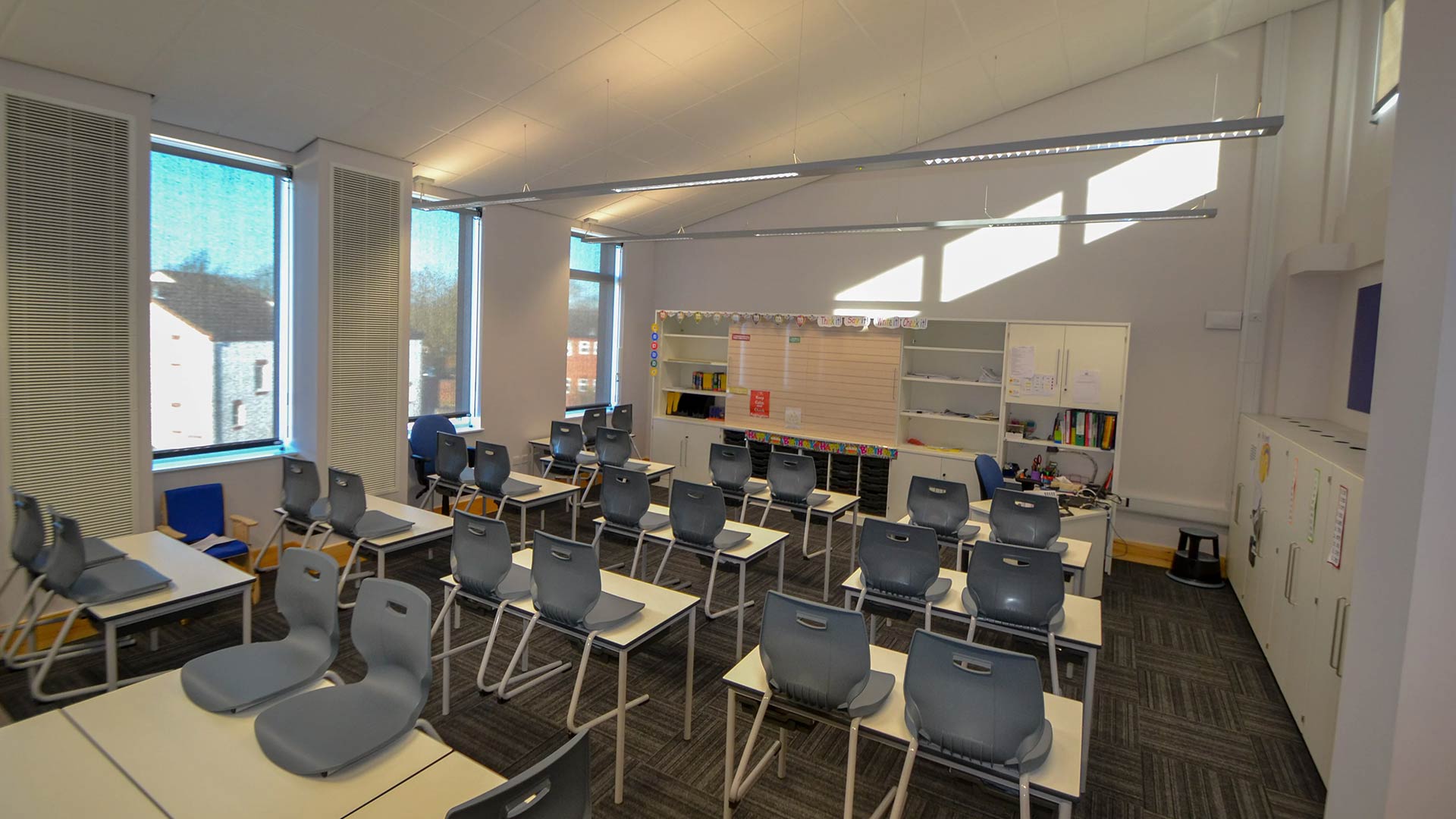
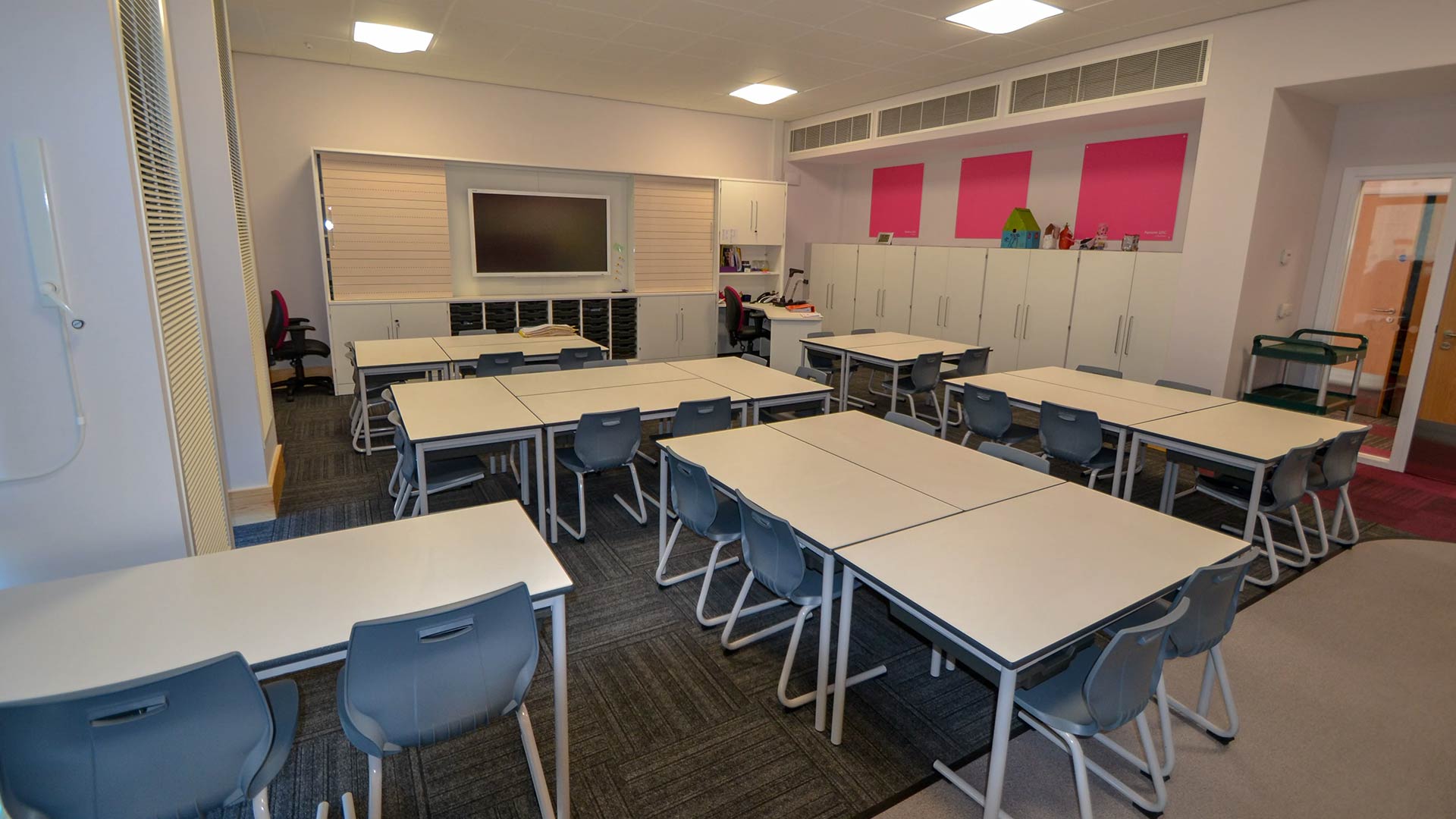
Seating that is well spaced and comfortable can provide your students with a good vantage point from which to see the entire lesson clearly and interact with lesson materials appropriately. Proper seating also gives the teacher the ability to walk freely between desks and provide each student with personal attention when necessary.
Students who get involved in the creation of their environment (through artwork, configuration, or participation in the physical dynamics of the classroom) experience a sense of empowerment and increased motivation.
Acoustics
Careful attention to sound energy in a room can help to increase concentration in lessons. The World Health Organisation (WHO) recommends that to be able to hear and understand spoken messages in classrooms, the background noise level should not exceed 35dB during teaching sessions.
Using soft surfaces to absorb sound within school environments is one of the easiest ways to control noise levels. Acoustic felt panels offer an affordable solution to managing excessive noise AND can add a little visual creativity.
Our acoustic felt panels are available in three options to suit your budget, from coloured panels, printed murals and bespoke printed panels allowing complete personalisation and creativity for all your learning environments.
Let's start creating an inpsiring classroom together!